
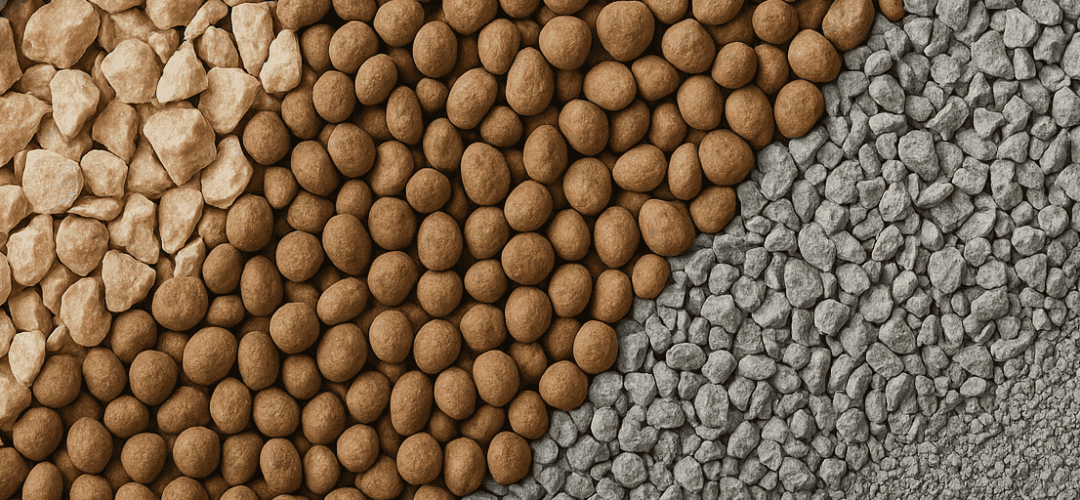
Aggregate materials are essential in construction and landscaping, and understanding their grades and sizes is crucial for selecting the right type for your project. Here are some frequently asked questions to help clarify your options.
1. What are the common grades of aggregate available?
Common grades of aggregate include Type 1, Type 2, and Type 3. Type 1 aggregates are often used for structural applications, offering high strength and durability. Type 2 is typically used for sub-base layers, while Type 3 aggregates are finer and often used for surface layers in roads and pavements. Each grade serves specific purposes, so selecting the right one is vital for the integrity of your project.
2. What sizes do aggregates come in?
Aggregates are available in various sizes, usually ranging from 0-4mm (fine aggregates) to larger sizes such as 20mm, 40mm, and even more. The size you choose will depend on the application; for instance, finer aggregates are suitable for concrete mixes, while larger sizes are often used for drainage and base layers. Understanding the size requirements is essential for achieving desired strength and stability.
3. How do aggregate sizes affect construction projects?
The size of aggregates significantly impacts the strength, workability, and drainage properties of concrete and asphalt. Smaller aggregates enhance the mix’s cohesiveness and workability, making them ideal for detailed work. Larger aggregates provide better drainage and stability for base layers. It’s essential to choose the appropriate size to ensure the longevity and performance of your construction project.
4. Can I find recycled aggregates in different grades and sizes?
Yes, recycled aggregates are available in various grades and sizes, similar to natural aggregates. They are often sourced from construction and demolition waste and can be a sustainable alternative. Recycled aggregates can be used in many applications, including sub-bases and drainage layers, providing an eco-friendly option without compromising quality. For more details on recycled aggregates, you might find our aggregates page helpful.
5. What should I consider when selecting aggregate grades and sizes?
When selecting aggregate grades and sizes, consider the specific requirements of your project, such as load-bearing capacity, intended use, and environmental factors. Also, assess local regulations and availability, as these may influence your options. Finally, think about the long-term durability and maintenance needs of your project to ensure you choose the most suitable aggregates.
Have a question we haven't answered? Get in touch — we're happy to help.
Call us: +44 7749 988 589